Where this category is commonly used
- West- and south-facing windows
- Offices with computer-screen glare
- Living spaces where preserving an exterior view matters
- Commercial, hospitality, education, and healthcare settings
Important material and design comparisons
Lower openness generally provides more sun control and privacy but less view-through.
Darker fabrics often improve outward view and glare performance, while lighter fabrics may reflect more heat and create a brighter appearance.
Interior solar shades do not usually provide nighttime privacy when lights are on.
Exterior solar shades stop more solar energy before it reaches the glass but require weather-rated systems.
Questions to ask before ordering
- Which direction does the window face?
- Is daytime view more important than nighttime privacy?
- Will the shade be interior or exterior?
- Does the project require published performance data or certifications?
Cleaning and maintenance
Use gentle vacuuming or a soft cloth. Follow fabric-specific cleaning instructions, particularly for coated and exterior-rated materials.
Common questions
What does 3% or 5% openness mean?
It describes the approximate amount of open area in the fabric weave. Lower percentages usually provide more screening and less view.
Do solar shades give privacy at night?
Usually not when the room is illuminated. A second privacy treatment may be needed.
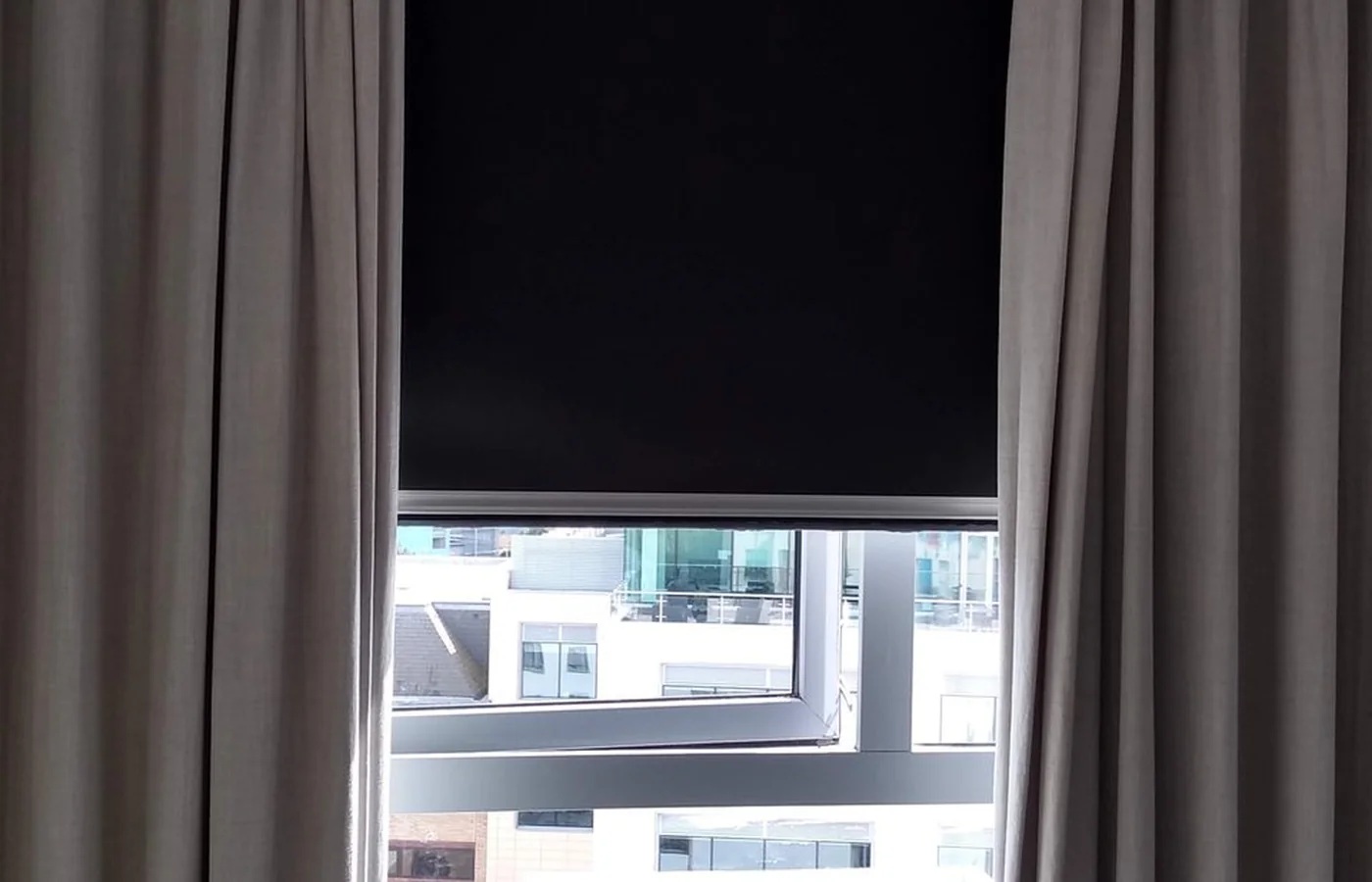
Are solar shades the same as blackout shades?
No. Solar fabric manages sun and glare; blackout fabric is opaque.