
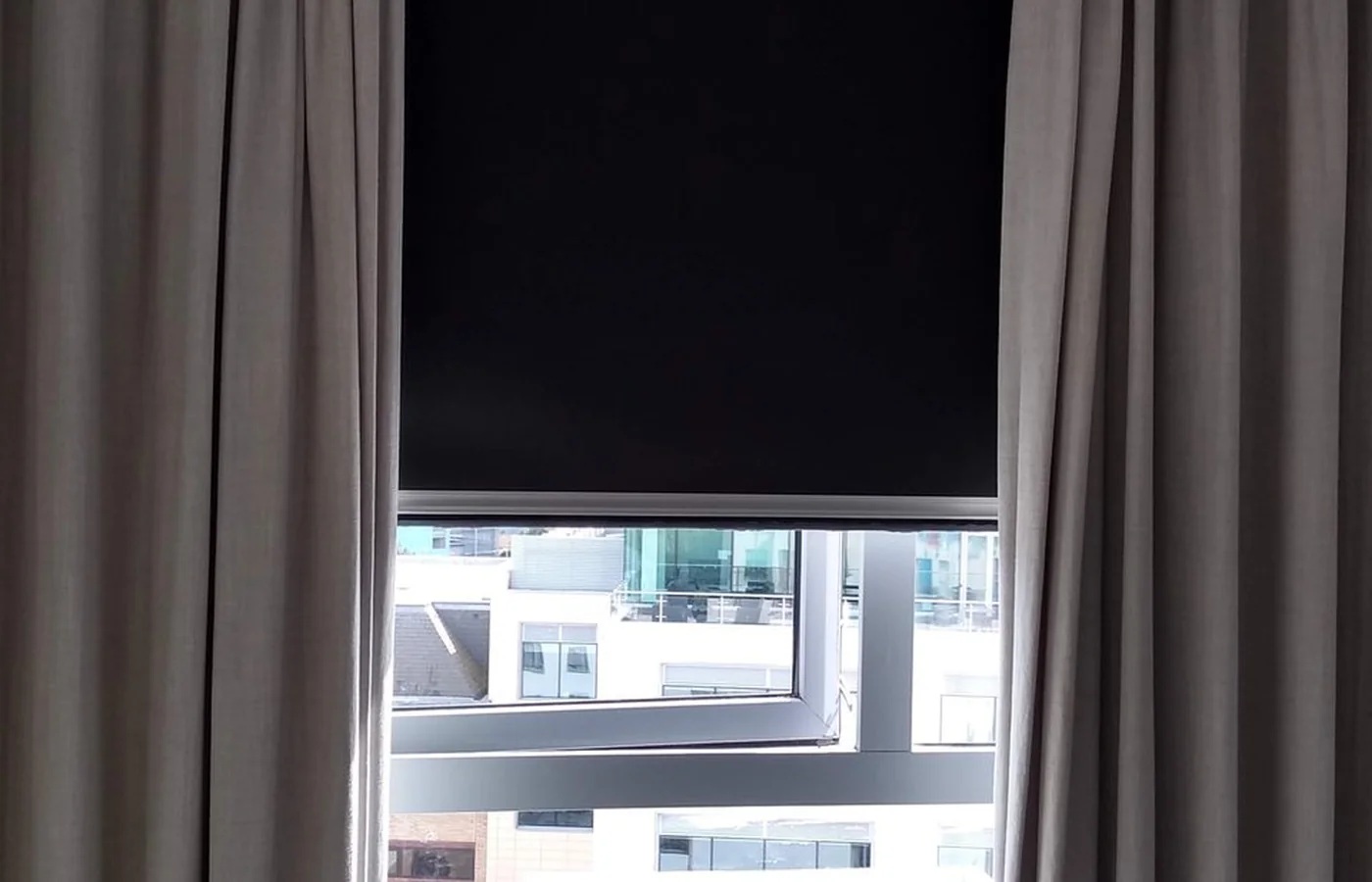
Insulating products
Cellular shades, layered treatments, shutters, and lined drapery can create insulating air spaces.
Solar-control products
Solar shades and exterior systems reduce glare and solar heat while balancing view and daylight.
Fit and operation
Side gaps, top gaps, mounting location, and whether the product is opened or closed at useful times affect results.
Ratings and evidence
Published testing and rating programs are more reliable than vague energy-saving claims.
Key takeaways
- No window covering replaces failed glazing or building-envelope repairs.
- Exterior shading can stop more solar energy before it reaches the glass.
- Dark and light solar fabrics behave differently in view and heat management.
- Automated schedules can improve consistent operation.
Common questions
Which window covering saves the most energy?
There is no universal winner; climate, window, orientation, fit, and operating schedule matter.
Do blackout shades insulate?
Opacity alone does not define insulation. Cell design, fit, and layers matter.
Should energy claims be guaranteed?
Be cautious unless the claim is supported by specific test data and project assumptions.